There is something extraordinary about the person you married that we rarely stop to think about.
Your parents did not choose for you to become their child. Your children did not choose you as their parent. Your brothers and sisters found themselves sharing a family with you. These relationships can become extraordinarily deep, but they began through family bonds you did not create.
Then someone came along who owed you absolutely nothing.
They met you.
They learned you.
They could have continued with their life without you.
And then, among millions of other people, they said:
“I choose you.”
Think about the weight of that.
Your husband or wife is one of the few people in your life whose relationship with you began primarily through deliberate choice.
Yet strangely, the person we once worked hardest to win can eventually become the person we take most for granted.
Before marriage, you called.
You listened.
You dressed intentionally.
You noticed little things.
You remembered dates.
You couldn’t wait to see them.
You carefully watered that relationship until love grew.
Then you got married.
And sometimes we behave as though the wedding somehow made that love self-sustaining.
It doesn’t.
Love is alive, and living things require attention.
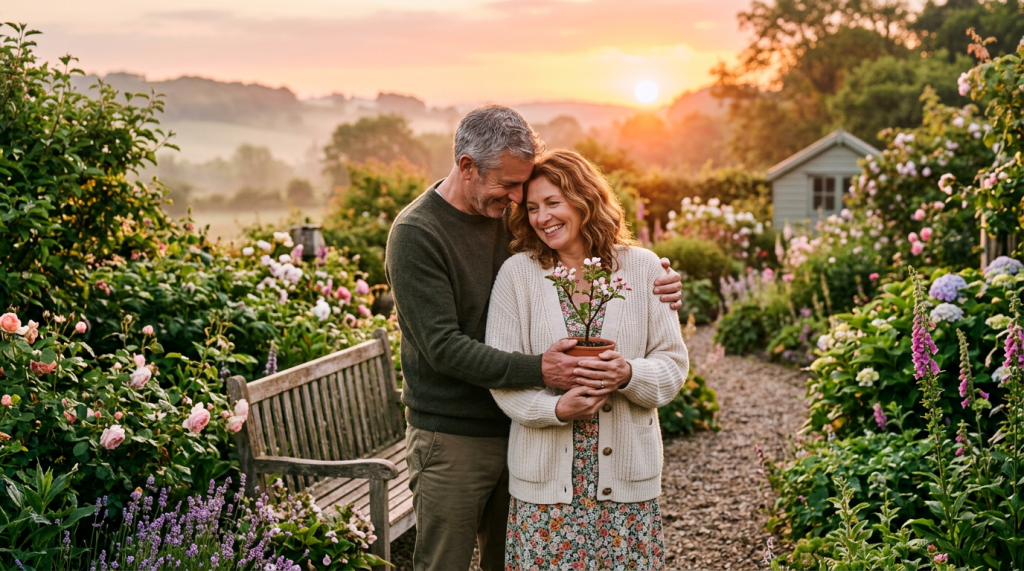
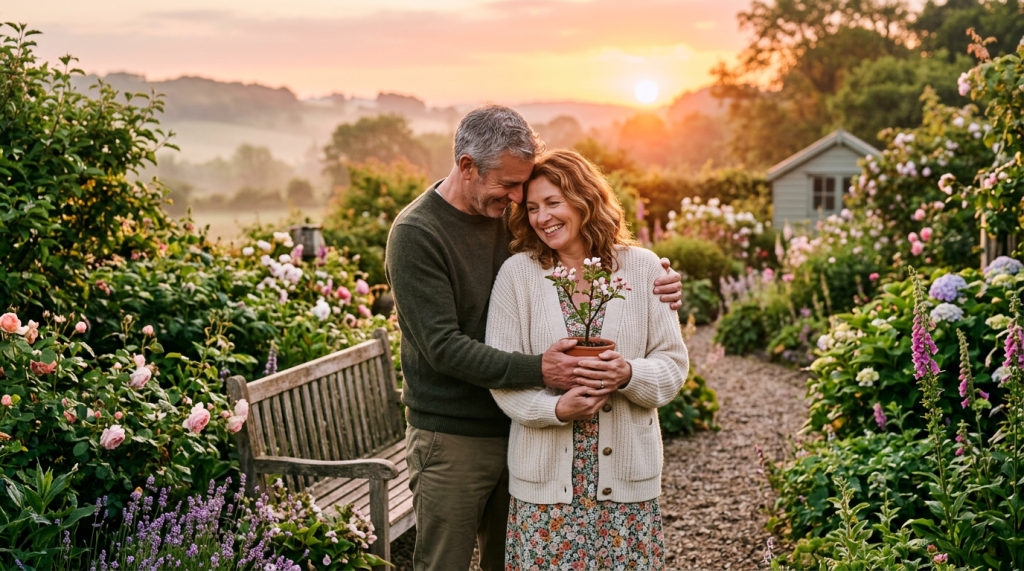
A garden can be beautiful today and neglected tomorrow. You cannot point at yesterday’s flowers as proof that today’s garden is healthy.
Marriage works much the same way.
You water it.
You feed it.
You prune what is damaging it.
You protect it.
You give it sunlight.
And tomorrow?
You begin again.
Perhaps that is why Scripture describes love primarily through actions rather than emotions.
“Love is patient, love is kind… It always protects, always trusts, always hopes, always perseveres.”
1 Corinthians 13:4, 7
Look at those words.
Patient.
Kind.
Protects.
Trusts.
Hopes.
Perseveres.
Those are things we do.
Biblical love is not merely something that happened to you when you met someone. It is something you continue practicing after you marry them.
This is where familiarity can become dangerous.
You know your spouse will probably be there tomorrow, so today becomes careless.
The thoughtful message disappears.
The compliments become rare.
Touch becomes routine.
Conversation becomes logistics.
“How was your day?” becomes “Did you pay that bill?”
And slowly, two lovers can become excellent administrators of a household.
They manage children.
Manage schedules.
Manage groceries.
Manage mortgages.
Manage careers.
Everything is being managed except the marriage.
Revelation 2:4 contains a haunting statement. Christ tells the church in Ephesus:
“You have forsaken the love you had at first.”
The passage is about the church’s relationship with Christ, not marriage, but the question it raises is worth bringing home.
What happened to the love you had at first?
Not whether you still love your spouse.
What happened to how you loved them?
There is a difference.
Maybe you still love her deeply, but when did you last tell her what you see in her?
Maybe you would die for him, but when did you last make him feel genuinely appreciated?
We sometimes imagine love through dramatic sacrifice while neglecting ordinary tenderness.
You might die for your spouse someday.
Wonderful.
But will you put your phone down for them tonight?
Will you listen?
Will you touch them affectionately without wanting anything?
Will you notice when they are tired?
Will you say thank you?
Will you apologize?
Will you flirt with the person you married?
Will you still pursue them?
Jesus tells us:
“Where your treasure is, there your heart will be also.”
Matthew 6:21
We normally apply this to money, but the principle exposes something important: we invest in what we value.
Marriage requires investment.
Not once.
Repeatedly.
Your spouse choosing you twenty years ago does not mean you should stop giving them reasons to be grateful they made that choice.
And this works both ways.
Husbands, don’t stop pursuing your wives because you married them.
Wives, don’t stop admiring your husbands because familiarity has shown you their imperfections.
Neither should you weaponize the other’s commitment.
“I know they won’t leave” should never become permission to stop trying.
Marriage should create security, not complacency.
There is something beautiful about waking up beside someone after five, ten, twenty, or forty years and still communicating:
“Of everyone I could give my life to, I am still grateful it is you.”
That is intentionally being married.
The wedding was not the completion of the assignment.
It was when the assignment began.
So water the love.
Feed it.
Protect it.
Touch it.
Laugh with it.
Pray over it.
Correct what threatens it.
And tomorrow morning, wake up and choose each other again.
Because perhaps one of the greatest ways to honor someone who once freely chose you is to spend your lifetime making sure they never regret that choice.


